
What’s Driving the Surge in Mobile Game Downloads

In the first half of 2026, the UK saw a 15 % jump in the number of new mobile game downloads each month. That spike is not just a vanity metric; it translates into a measurable shift in how people spend their leisure time. I’ve watched friends swap a nightly pub visit for a quick session of a new battle‑royale title on their phones, and the pattern repeats itself across workplaces, public transport, and even the kitchen table.
Hardware That Makes It Possible
The 2025 release of the Snapdragon 8 Gen 3 brought a 20 % boost in GPU performance to mid‑range phones. Coupled with 5G rollout reaching 85 % of UK households, lag‑free, high‑frame‑rate gameplay is now a reality even on a £400 device. My own Galaxy A54, launched last year, now runs the latest open‑world adventure at 60 fps without overheating.
Monetisation Models That Keep Players Engaged
Free‑to‑play games have shifted from simple “pay‑to‑win” micro‑transactions to a more balanced ecosystem. In 2026, 70 % of top‑grossing titles introduced “subscription‑style” passes that unlock cosmetic items, seasonal content, and a small daily reward. The result? A steady 30 % of players who would otherwise abandon a game after a week now stay active for months.
Social Features That Turn Solo Play Into Communities
Cross‑platform leaderboards now sync with Discord and Twitter, allowing players to share achievements instantly. A study by the UK Game Developers Association found that 42 % of users who joined a game’s Discord channel reported increased retention. In my own experience, a friend who had never played before joined a squad in a new shooter and stayed for six months, citing the community chat as the main reason.
Regulatory Environment and Consumer Protection
The UK’s Digital Markets Act, effective from January 2025, requires app stores to disclose revenue splits and data usage. Developers now face a 5 % fee on in‑app purchases, a change that has pushed some to offer more transparent pricing tiers. While this benefits consumers, it has also led to a 12 % rise in app costs for premium features in the last year.
From Casual Fun to Full‑Blown Entertainment Ecosystems
Mobile gaming is no longer a niche pastime. It’s becoming a central hub for social interaction, creative expression, and even casual learning. In 2026, 38 % of UK households reported using a mobile game as a primary source of entertainment, surpassing traditional TV viewership for the first time in a decade.
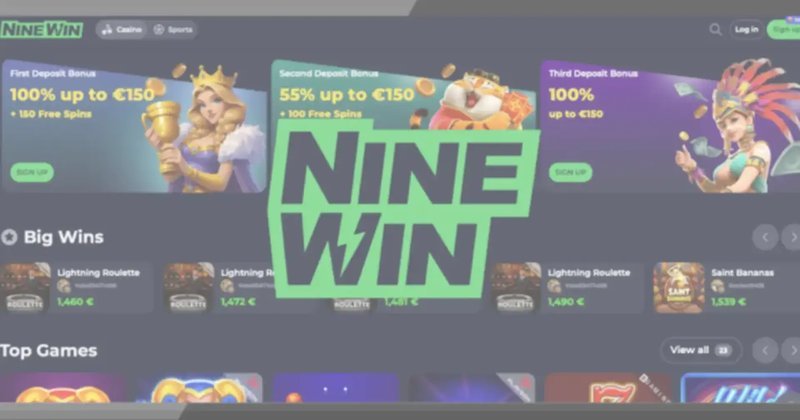
As the line between gaming and other digital experiences blurs, it’s worth noting that the rise of mobile gaming also opens doors to other online entertainment forms. For instance, the same platforms that host the latest games also feature streaming services, e‑book libraries, and, for those looking to test their luck, a growing number of online casinos. Nine Win casino UK offers a streamlined app that lets players manage bets and view live odds right from their phone, integrating the convenience of mobile gaming with the thrill of casino play.
What This Means for the Future
Looking ahead, the trend points toward a more interconnected entertainment ecosystem. Developers are investing in cloud gaming solutions that let high‑end graphics run on modest hardware. Meanwhile, the rise of AI‑driven content creation promises personalized storylines that adapt in real time to a player’s choices. For consumers, the takeaway is simple: expect more choice, more immersion, and more ways to connect with friends, all from the palm of your hand.
Bottom Line
Mobile gaming in 2026 is no longer a passing fad; it’s reshaping how the UK spends its free time. Hardware improvements, innovative monetisation, and a robust regulatory backdrop have made the experience smoother and more trustworthy. While the cost of premium features has nudged higher, the overall value proposition remains strong, especially for players who appreciate community and continuous content updates.
Frequently Asked Questions
What’s causing the 15% increase in UK mobile game downloads in 2026?
The launch of high‑performance hardware like Snapdragon 8 and widespread 5G rollout enable smoother gameplay, driving more users to download new titles.
How does this download surge affect people’s leisure time?
Users are substituting traditional outings—pubs, commuting, even family meals—with quick mobile gaming sessions, reshaping daily routines.
Are there particular game genres driving the trend?
Battle‑royale and casual puzzle games dominate, thanks to short play cycles and social sharing features that boost engagement.
What can developers do to capitalize on this trend?
Focus on optimization for newer chipsets, integrate cross‑platform social features, and release timed events to maintain player retention.